Who a training camp in Bali suits
Month-long camps work for surf squads building volume before a season, triathletes and runners seeking warm-weather base training, functional fitness groups, martial arts teams and coaches running immersive programmes for clients. The common thread is a group that trains hard, eats well and needs quality rest under one roof.
A whole-villa lease removes the friction of hotel camps: no other guests, flexible meal times around sessions and a coach who can see how every athlete is recovering.
Recovery at home: sauna, ice bath and pool
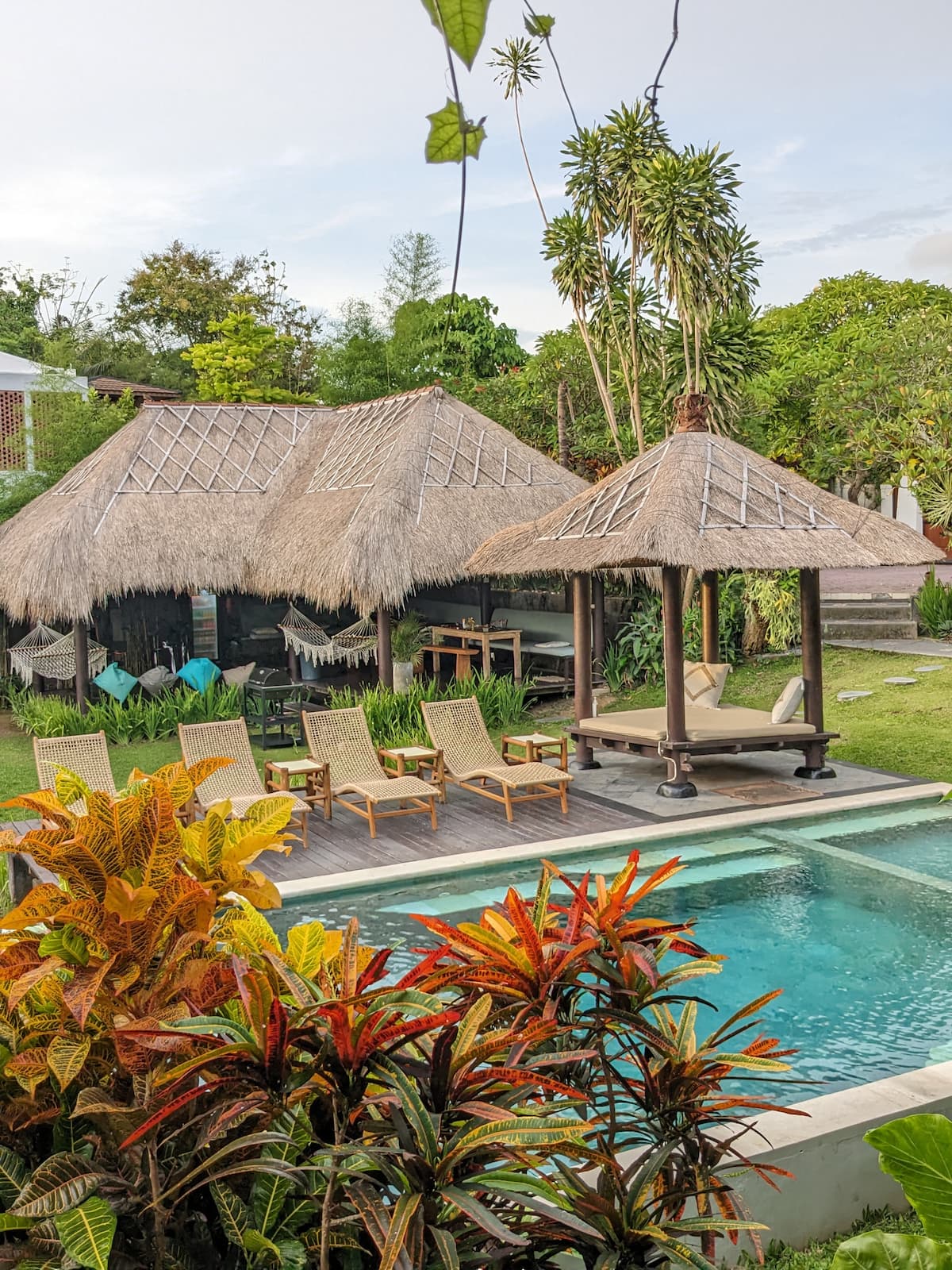
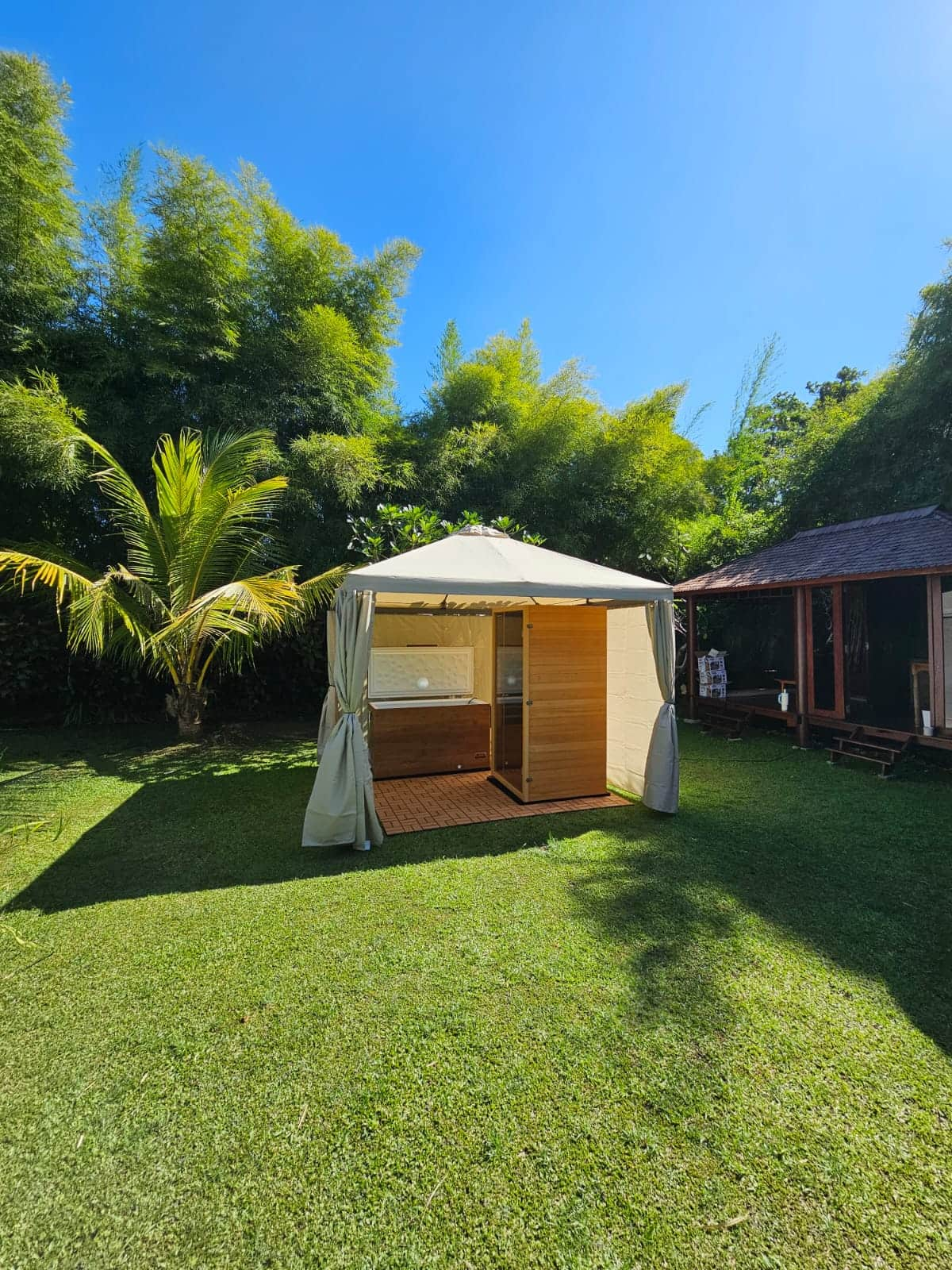
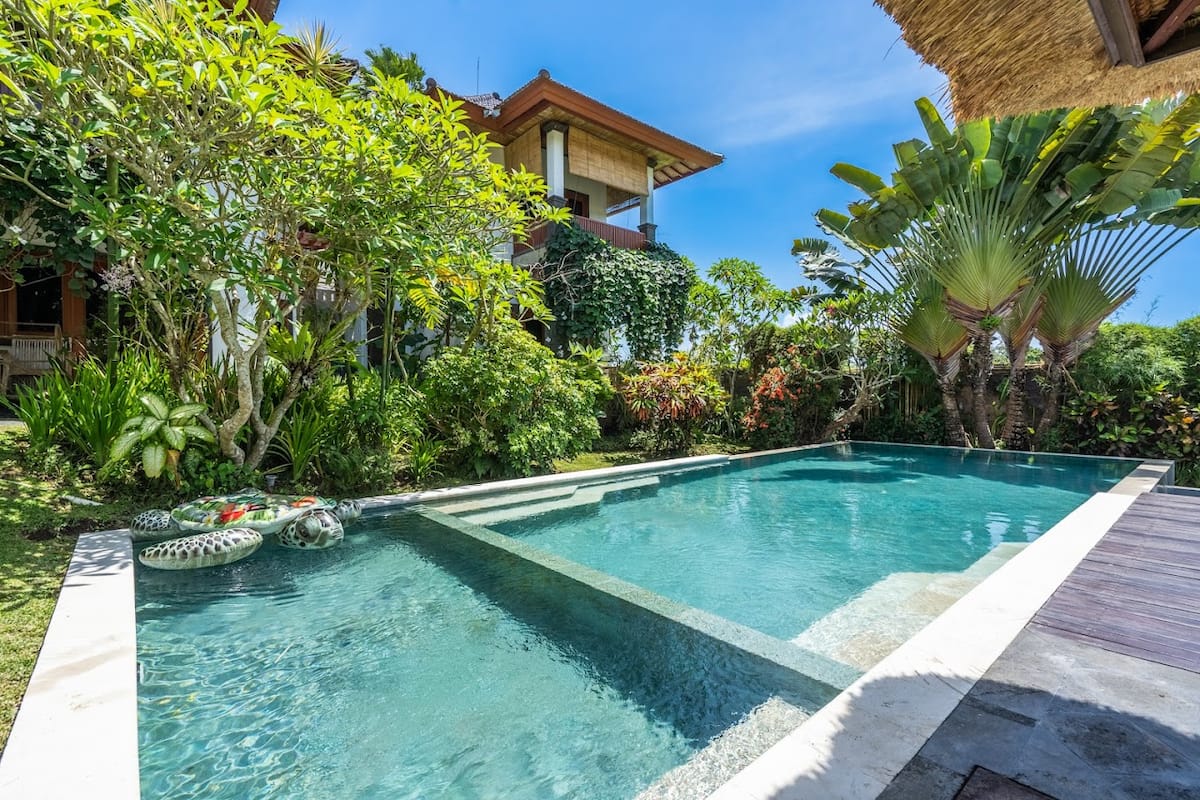
Recovery is where camps are won or lost. Kamayana has a private infrared sauna and an ice bath on site, so contrast sessions do not require a trip across town. The 15-metre pool suits mobility work, easy swims and cool-downs, and the lawn gives space for stretching and drills. Coached sauna and ice bath sessions and massages can be added to your offer.
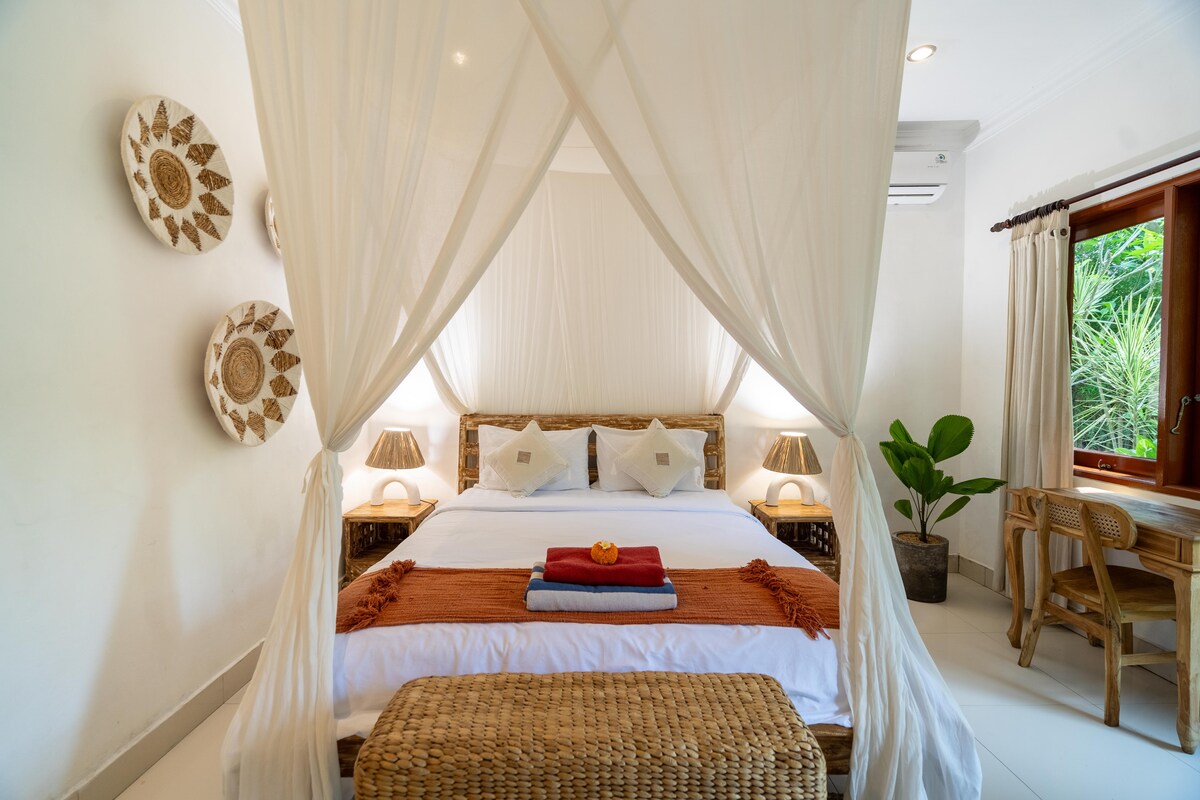
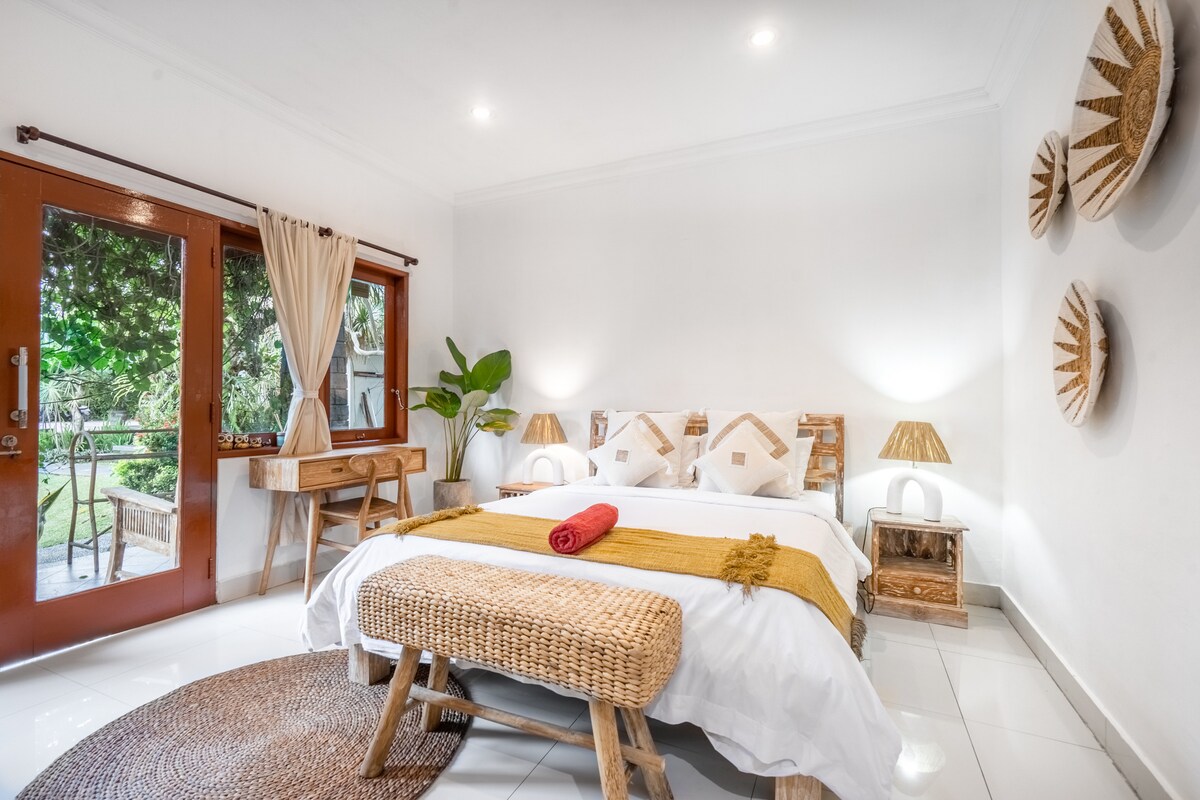
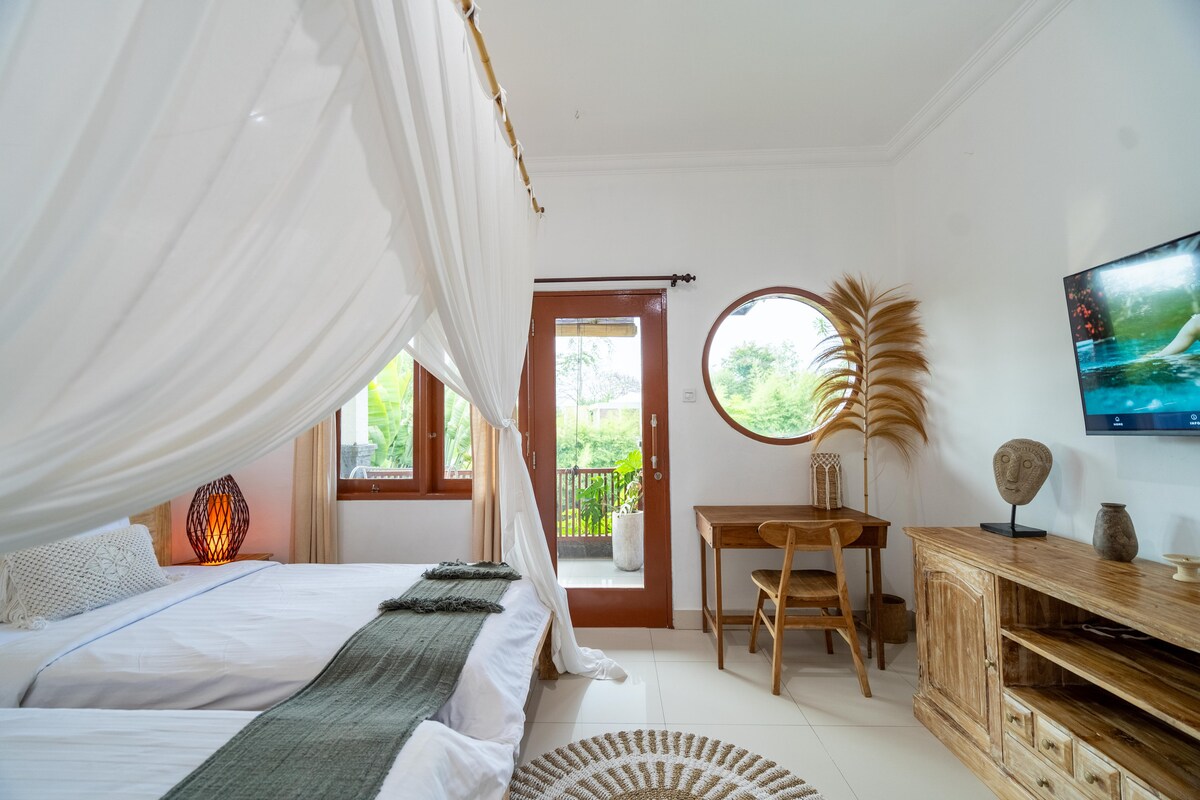
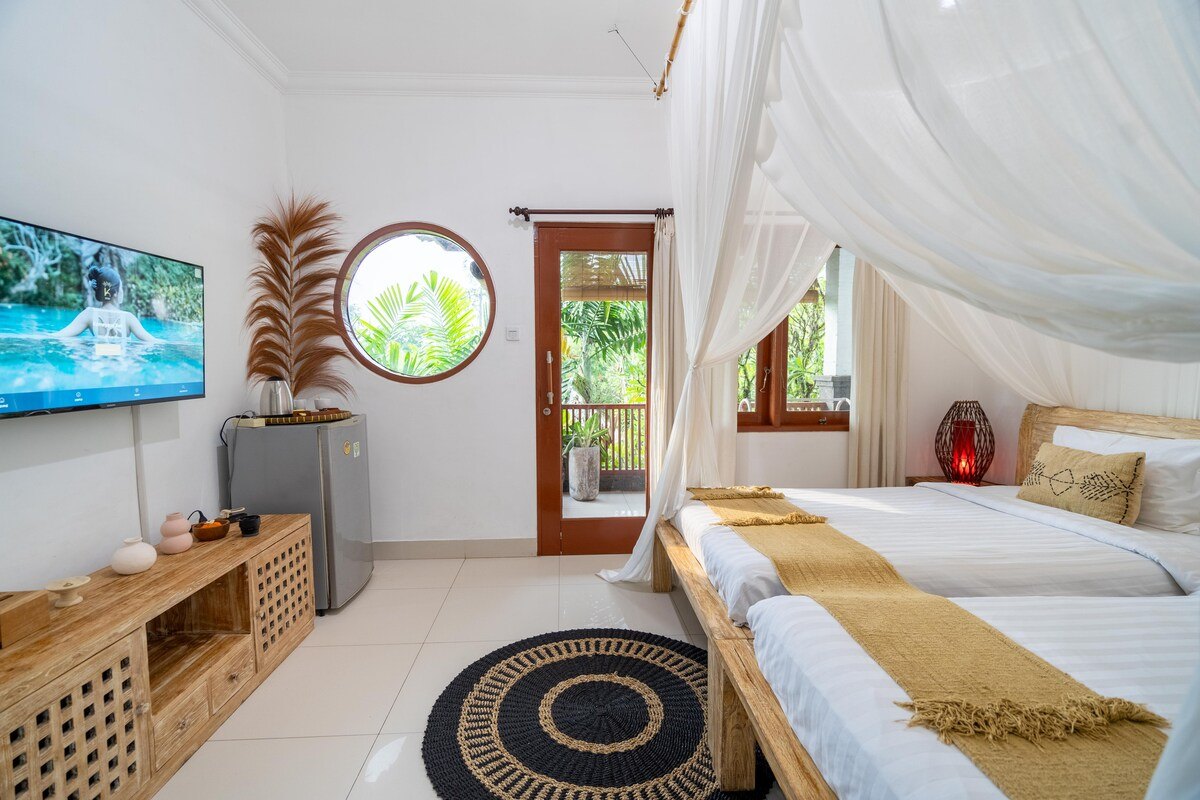
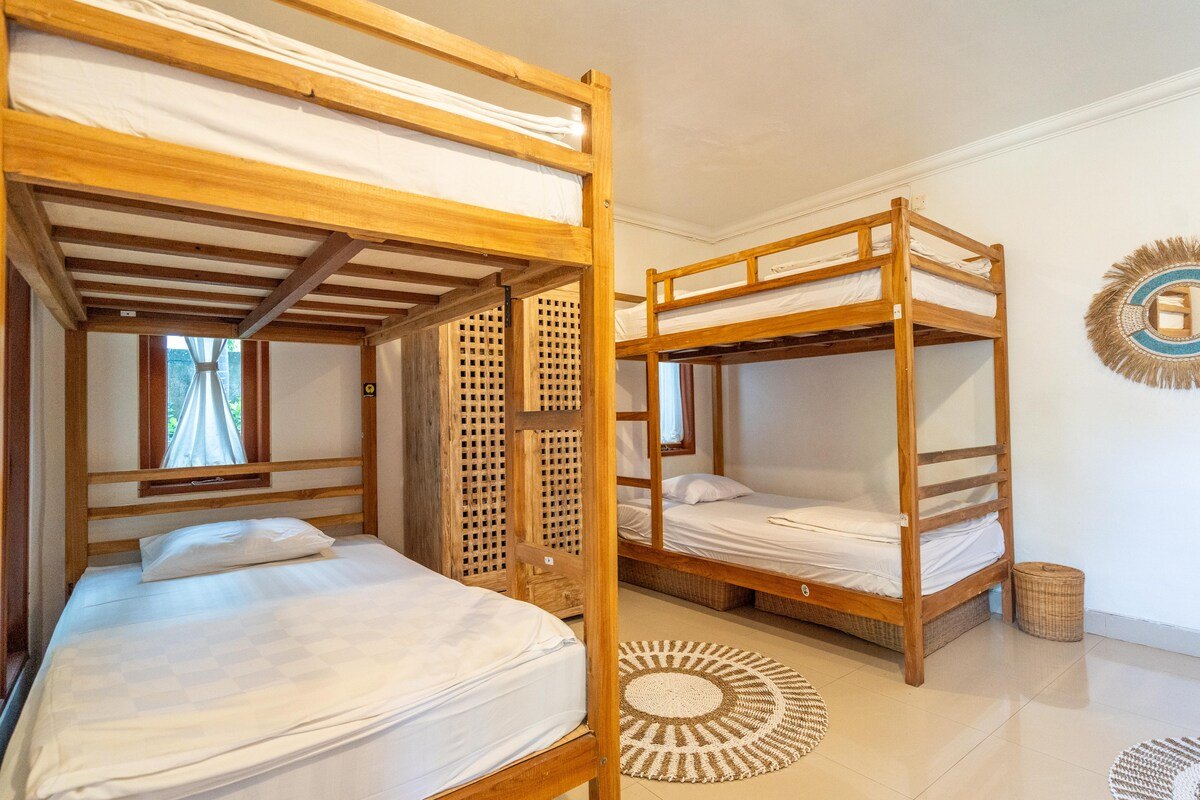
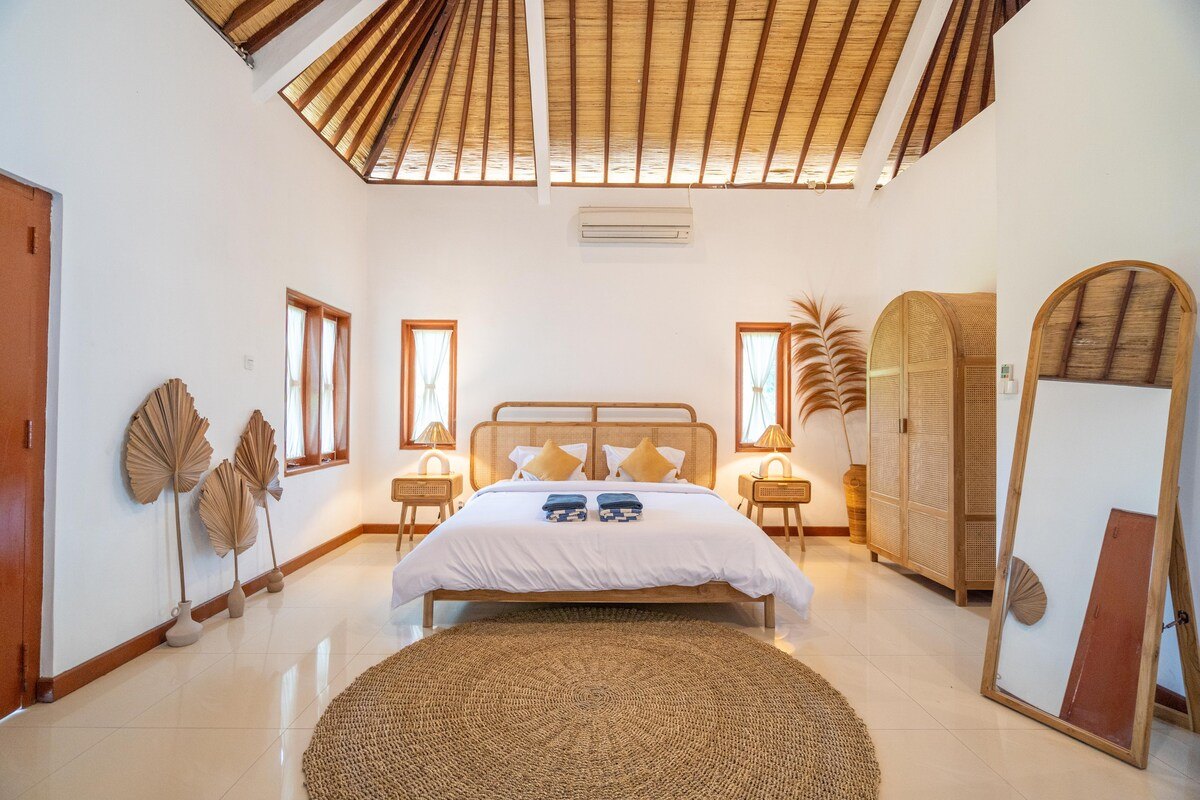
Air-conditioned ensuite bedrooms help athletes sleep well in a tropical climate, and the quiet rice-field setting means nights without road noise.
Structuring four weeks of training
A simple structure is three build weeks followed by a lighter week. Sessions start early to beat the heat: surf at dawn, a run or ride, or strength work in the small gym. Midday is for food, rest and video review on the screen and projector. Late afternoons bring a second session, then recovery in the sauna and ice bath before dinner.
Plan one full rest day per week. Athletes adapting to heat and humidity need more recovery in the first days than at home, so build volume progressively.
Food and daily logistics
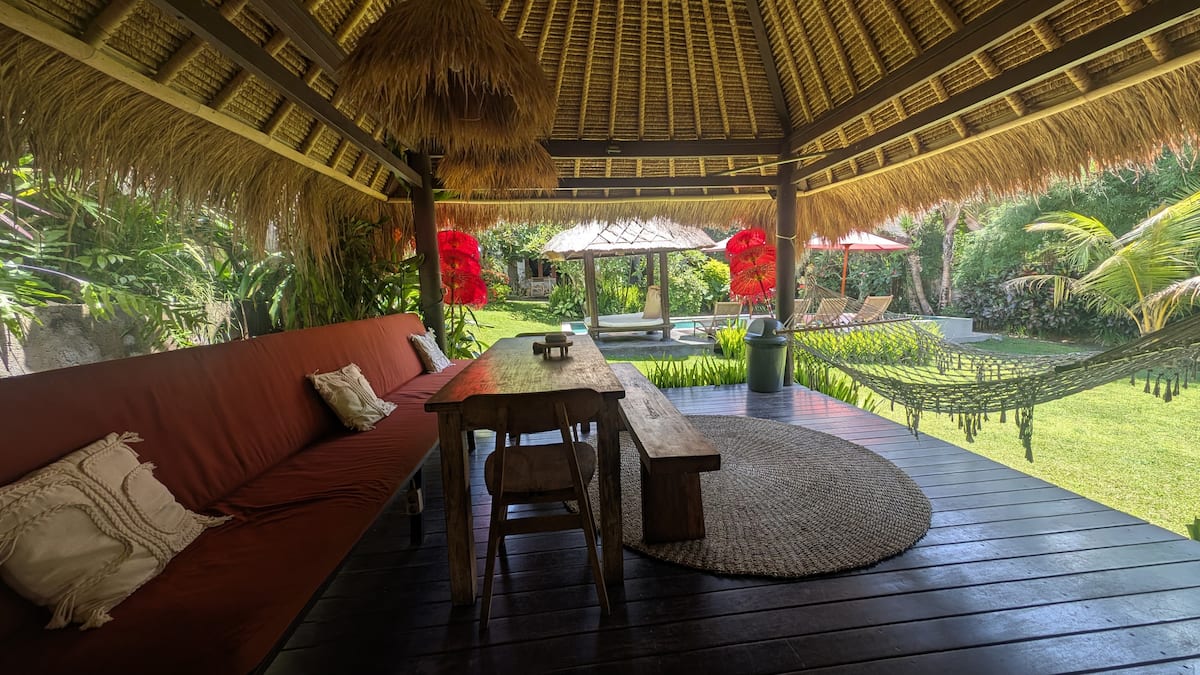
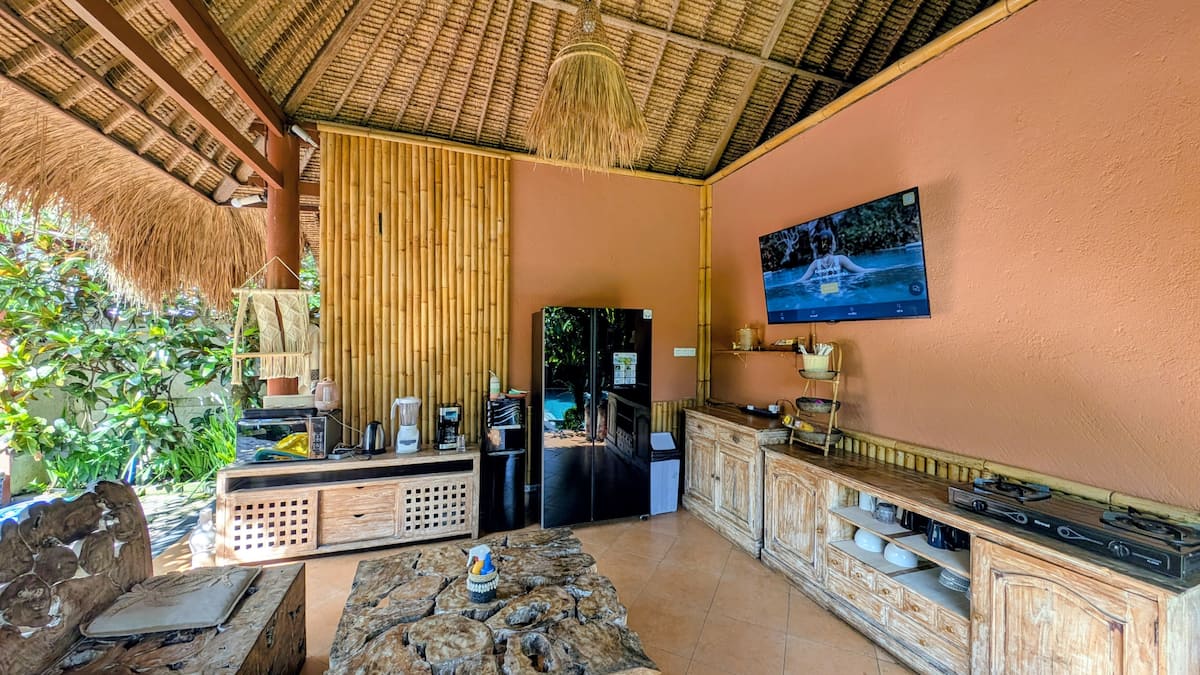
Fuelling a squad is a job in itself. A private chef or group meals can be quoted to match your nutrition plan, or your team can cook in the fully equipped open kitchen and eat together at the long dining tables. Housekeeping and laundry keep kit cycling, which matters with two sessions a day.
For transport, most athletes use scooters for short trips, while a driver and minivan, quoted in your offer, handles boards, bikes and group outings. Large parking at the villa holds vehicles and equipment.
Season, safety and responsibilities
The dry season runs roughly from April to October and the wet season roughly from November to March; both can work for camps, with different conditions on land and in the water. Coaches should brief athletes on heat, hydration and ocean safety from day one.
Camp organisers remain responsible for their participants' visas, any permits for facilitators or filming, insurance and their own client terms; check official Indonesian sources or a local adviser. Request dates through the questionnaire, WhatsApp or email.